
The turning of the year is traditionally a moment for optimism, a symbolic reset where ambition outweighs anxiety, at least briefly.
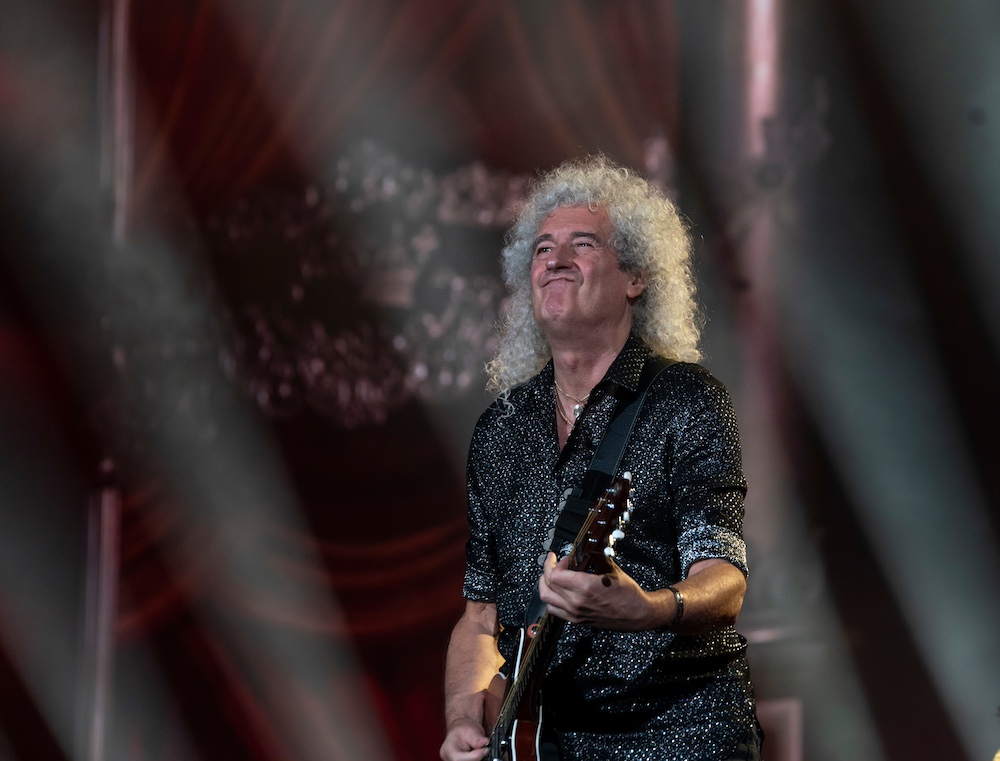
For Brian May, that instinct is still there, even if it now sits uneasily alongside something darker.
In his annual New Year message to fans, the Queen guitarist struck a familiar, defiant tone: “new opportunities, new dreams, new challenges, new fulfilments.” He added, with trademark emphasis, “The FUTURE is still out there!! Let’s go find it!!”
But speaking more candidly in a recent interview with Radio Times, the 78-year-old admitted that optimism no longer comes easily.
“I feel despondent about the world of humans,” May said. “It keeps me awake at night. The cruelty, the ignorance, the lies, the rewriting of history.”
It’s a stark assessment, and one delivered without theatrics. May framed his concerns not as abstract unease, but as something deeply personal, something that actively disrupts his rest. At the heart of it, he believes culture still has a moral function. “I think an understanding and love of art and music make it impossible to be the kind of person who wants to go out and be cruel to others.”
That belief only sharpens his frustration. “There’s so much suffering in the world,” he continued, “why would we want to add to it? We’ve lost the ability to discuss things and respect other people’s point of view, we have a horrendous polarisation.”
For an artist whose career has been defined by collaboration and empathy, the loss of shared language feels existential. Yet May’s outlook isn’t one of total retreat. Even as he worries about the present, he remains committed to preserving and revisiting the past, particularly Queen’s formative work.
Fans have something tangible to look forward to with the forthcoming reissue of Queen II, long regarded as one of the band’s most ambitious early statements.
There’s a quiet symmetry to all of this. While May worries about where humanity is headed, he continues to believe in music as a connective force, something worth preserving, sharing, and questioning in public. If the future troubles him, it hasn’t stopped him from offering fragments of the past as a reminder of what collective creativity once looked like, and what it might still be capable of becoming.